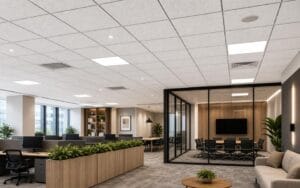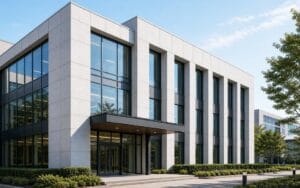
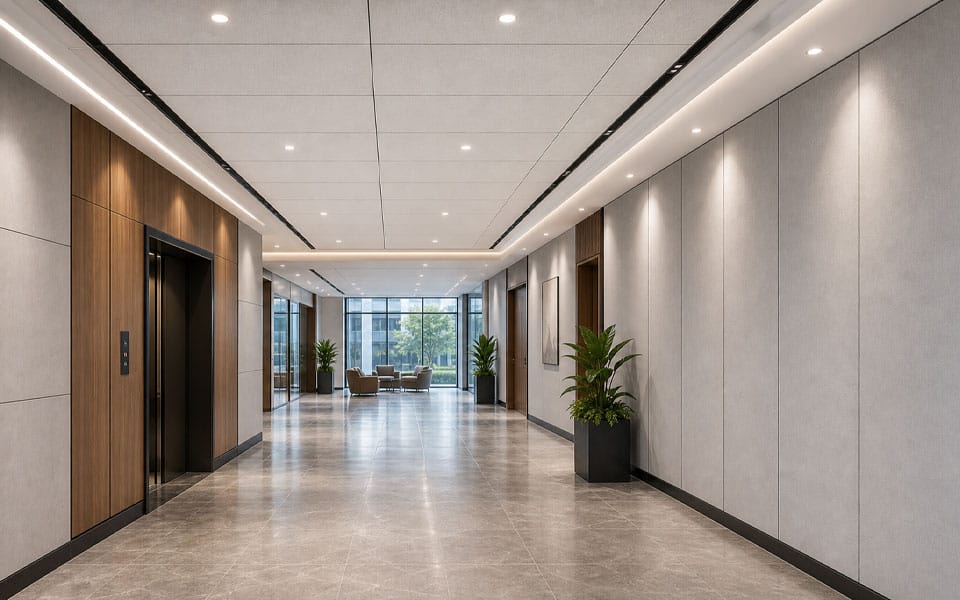
In modern construction and interior projects, material selection plays an important role in long-term performance. Walls and ceilings are not only decorative surfaces. They also affect safety, durability, acoustic comfort, maintenance costs, and the overall user experience of a building.
For offices, hotels, schools, hospitals, commercial buildings, public spaces, and residential projects, choosing durable wall and ceiling boards can help create stable, safe, and comfortable environments over many years of use.
Better Structural Stability
Durable wall and ceiling boards provide a stable base for interior and exterior systems. Quality boards can better resist deformation, cracking, sagging, and surface damage during daily use.
This is especially important for large-scale projects where material consistency and long-term stability directly affect the final construction quality.
Improved Fire Safety
Fire safety is a key requirement in many commercial and public buildings. Durable inorganic boards, such as fiber cement boards, calcium silicate boards, and other fire-resistant building boards, can help support safer wall and ceiling systems.
Using fire-resistant materials can improve project safety and help meet the requirements of offices, schools, hospitals, hotels, shopping centers, and other public spaces.
Stronger Moisture and Weather Resistance
Walls and ceilings may face different environmental conditions, including humidity, temperature changes, rain exposure, or indoor moisture. Durable boards with good water resistance and weather resistance can reduce the risk of swelling, deformation, mold problems, and surface failure.
For exterior walls, wet areas, basements, public corridors, and high-traffic spaces, moisture-resistant boards are especially valuable.
Better Acoustic Comfort
In many projects, durability is not the only concern. Acoustic comfort is also important. Acoustic ceiling boards, polyester fiber acoustic panels, and other sound-absorbing materials can help reduce echo and improve indoor sound quality.
In offices, classrooms, hotels, meeting rooms, theaters, and public buildings, better acoustic performance can create quieter and more comfortable spaces for users.
Lower Maintenance Costs
Long-term projects need materials that can reduce repair and replacement costs. Durable wall and ceiling boards are less likely to crack, deform, or fail quickly when properly selected and installed.
This helps building owners, contractors, and project managers reduce maintenance frequency and improve the long-term value of the project.
Suitable for Multiple Applications
Durable boards can be used in many areas of a building, including partition walls, ceiling systems, decorative wall panels, exterior cladding, sound-absorbing surfaces, and fire-rated systems.
This flexibility makes them useful for commercial, public, and residential projects that require consistent material performance across different spaces.
Cleaner and More Professional Interiors
High-quality wall and ceiling boards help create clean, modern, and professional interiors. Stable surfaces, neat joints, and reliable finishing performance can improve the appearance of offices, hotels, schools, hospitals, and commercial spaces.
A durable material system supports both practical performance and visual quality.
Support for Long-Term Project Value
For long-term projects, every material choice affects the final value of the building. Durable wall and ceiling boards can support safety, comfort, appearance, and maintenance performance over time.
Choosing reliable boards from the beginning helps reduce future problems and supports better project results.
Conclusion
Durable wall and ceiling boards are essential for long-term projects because they help improve structural stability, fire safety, moisture resistance, acoustic comfort, and maintenance performance. They also support cleaner interior design and wider application flexibility.
For contractors, distributors, designers, and project buyers, selecting reliable wall and ceiling board materials is an important step toward safer, more comfortable, and longer-lasting buildings.